
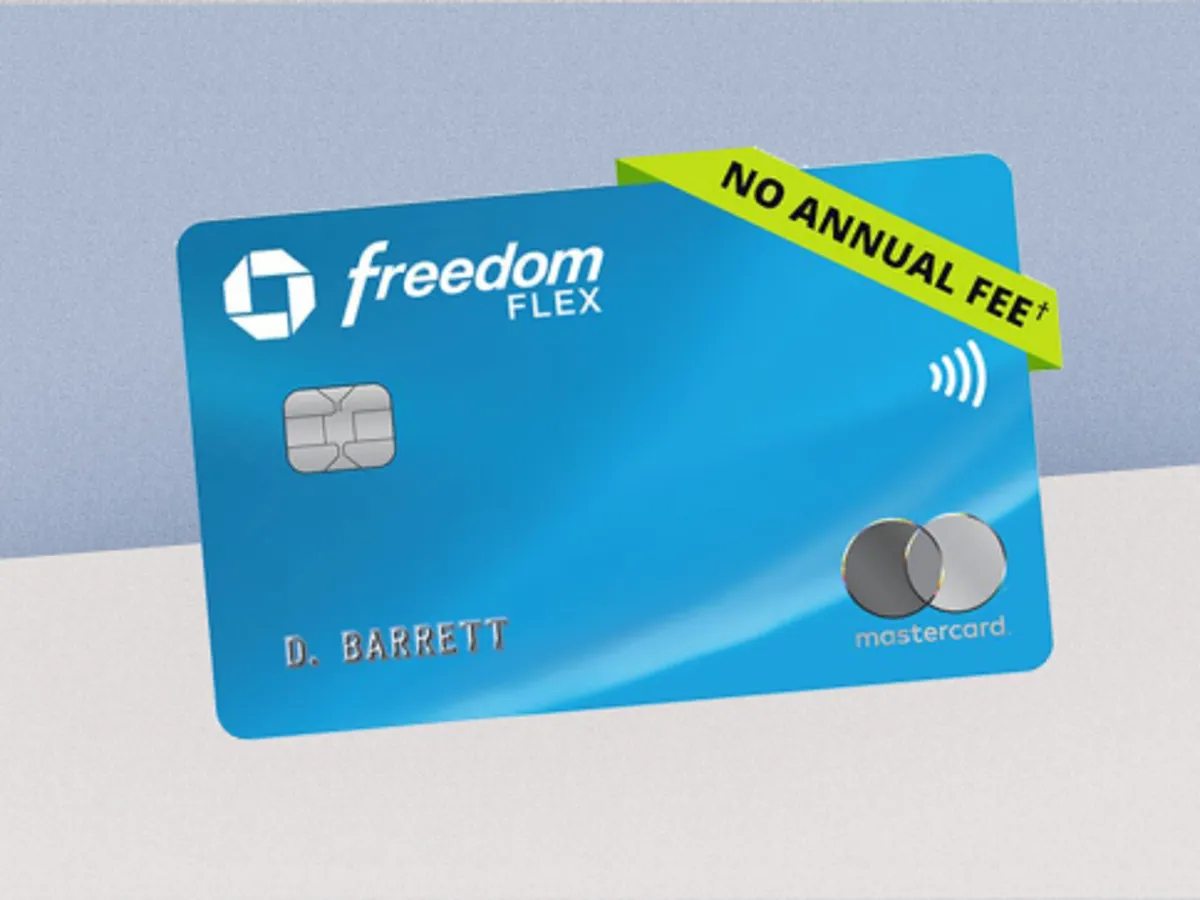
The Chase Freedom Flex has become one of the most valuable no-annual-fee cards in my wallet. Not because of any single feature, but because of those rotating 5% categories that can stack up to serious rewards when you play them right. If you’re new to the points game, start with our beginner’s guide to points and miles first.
I’m going to break down every 2026 category, show you how to squeeze maximum value from each quarter, and share the strategies that turn this “simple” cash back card into a points-earning machine.
Chase Freedom Flex 5% Categories for 2026
Here’s the complete calendar for 2026 bonus categories. I’ll update this as Chase announces new quarters.
| Quarter | Dates | 5% Categories | Activation Deadline |
|---|---|---|---|
| Q1 | Jan 1 – Mar 31 | Dining, Norwegian Cruise Line, American Heart Association | March 14, 2026 |
| Q2 | Apr 1 – Jun 30 | Amazon, Chase Travel, Feeding America | June 14, 2026 |
| Q3 | Jul 1 – Sep 30 | TBA (announced ~June) | TBA |
| Q4 | Oct 1 – Dec 31 | TBA (announced ~September) | TBA |
Remember: You can earn 5% back (or 5x points) on up to $1,500 in combined purchases per quarter. That’s a max of $75 cash back or 7,500 Ultimate Rewards points per quarter.
Q1 2026: Dining, Norwegian Cruise Line & American Heart Association (Now – March 31)
We’re in Q1 right now, and dining is the star category. This is actually one of the better Q1 lineups in recent memory.
Dining (Restaurants & Takeout)
This one’s straightforward — restaurants, fast food, delivery apps, the works. Some things to know:
- DoorDash, Uber Eats, Grubhub all code as dining
- Coffee shops like Starbucks and Dunkin’ count
- Bars are included (coded as restaurants)
- Fast food — McDonald’s, Chipotle, all of it
What doesn’t count: grocery stores with prepared food sections, meal kits like HelloFresh, or food courts inside retailers (they code as the parent store).
Pro tip: If you’re close to the $1,500 cap, remember that restaurant gift cards purchased at the restaurant still code as dining.
Norwegian Cruise Line
Niche, but if you’re booking a cruise, this is a no-brainer. Norwegian cruises typically run $1,000+ per person, so you could easily max your entire quarterly bonus on a single booking.
One thing: the 5% applies to purchases made directly with Norwegian, so book through their website or call center, not through a third-party travel agent.
American Heart Association
Donations to the American Heart Association earn 5% back. Sweet deal if you were planning to donate anyway — essentially a 5% discount on charitable giving.
Q2 2026: Amazon, Chase Travel & Feeding America (April 1 – June 30)
This is where things get interesting. Amazon as a 5% category is always popular, and they’ve stacked it with Chase Travel.
Amazon
Amazon.com and Whole Foods purchases. This is the quarter to stock up on anything you’ve been putting off — household goods, electronics, Prime Day deals if it falls in this window.
Important distinctions:
- ✅ Amazon.com purchases
- ✅ Whole Foods (in-store and delivery)
- ✅ Amazon Fresh
- ❌ Third-party sellers shipping from their own warehouses sometimes code differently
- ❌ Amazon Payments to other merchants
Whole Foods is the sleeper here. If you normally shop there, you’re suddenly getting 5% back on groceries — a category that’s usually 1% on most cards.
Chase Travel
Booking through Chase’s travel portal earns 5%. Normally you’d get 5% anyway on Freedom Flex through Chase Travel, but this stacks during Q2… wait, no, it actually replaces the standard rate, so it’s not a true stack. Still, if you’re booking travel during this period, use the portal.
Better strategy: Use this category to book for partners and family. They pay you back, you get the points.
Feeding America
Another charitable category. Feeding America is a hunger relief nonprofit, so if you’re looking to make a difference and get some bonus points, here’s your chance.
How to Activate Your Quarterly Bonus
This trips up so many people. You must activate each quarter’s bonus or you earn 0%. Chase doesn’t auto-enroll you.
Three ways to activate:
- Chase app: Open the app → Credit Cards → Freedom Flex → Activate Bonus
- Online: Log in at chase.com, find your card, click “Activate”
- Text: Some quarters Chase lets you text a code to activate
Set a calendar reminder for the first of each quarter. Or better yet, activate as soon as categories are announced (usually 2-3 weeks before the quarter starts).
Activation deadline for current quarter (Q1): March 14, 2026. If you haven’t activated yet, stop reading and do it now.
The $1,500 Quarterly Cap: Understanding the Math
Each quarter, 5% applies only to your first $1,500 in combined bonus category spending. After that, you drop to 1%.
Maximum quarterly value:
- $1,500 × 5% = $75 cash back
- Or: 7,500 Ultimate Rewards points (worth $75-$150+ depending on redemption)
Annual maximum:
- $6,000 × 5% = $300 cash back
- Or: 30,000 Ultimate Rewards points
That might not sound life-changing, but here’s the thing — this is on a no-annual-fee card. Combined with the card’s permanent 5% on travel booked through Chase, 3% on dining/drugstores, and the flexibility of Ultimate Rewards points, it adds up.
Freedom Flex vs. Freedom Unlimited: Which Should You Use?
Chase has two no-annual-fee cards in the Freedom family. Quick breakdown:
| Feature | Freedom Flex | Freedom Unlimited |
|---|---|---|
| Quarterly 5% | Yes (rotating) | No |
| Flat rate | 1% | 1.5% on everything |
| Travel via Chase | 5% | 5% |
| Dining | 3% | 3% |
| Drugstores | 3% | 3% |
| Annual fee | $0 | $0 |
My take: Get both. Use Freedom Flex for quarterly bonuses and dining/drugstores. Use Freedom Unlimited for everything else (that 1.5% floor is nice). They feed into the same Ultimate Rewards pool if you have a Sapphire card. Check our Sapphire Preferred vs Reserve comparison to pick the right premium card.
Maximizing Your 5%: Advanced Strategies
Alright, let’s get into the tactics that separate casual cardholders from points maximizers.
1. Gift Card Stacking
When a category like Amazon hits, buy gift cards for stores you’ll shop at later. Amazon sells gift cards for hundreds of retailers. Buy them during Q2, spend them whenever.
Some popular options:
- Home Depot / Lowe’s gift cards
- Airbnb gift cards
- Restaurant chain gift cards
- Streaming service gift cards
You’re essentially pre-paying for future purchases at 5% off.
2. Pair with Shopping Portals
Even during 5% quarters, you can stack with shopping portals. Example:
- Start at Chase’s shopping portal (or Rakuten, etc.)
- Click through to Amazon
- Pay with Freedom Flex
You get portal bonus + 5% + any credit card bonus. It can stack to 8-10%+ in some cases.
3. Time Large Purchases
Waiting for a category to hit is smart shopping. Need new furniture? If Amazon’s a Q2 category, hold off until April. Planning a trip? Book through Chase Travel during the travel quarter.
I keep a running list of “want to buy” items and cross-reference it with upcoming categories.
4. Family Pooling (Carefully)
Each card gets its own $1,500 cap. If your partner also has a Freedom Flex, that’s $3,000 at 5% per quarter. Just make sure you’re not violating any terms — purchases should be for the cardholder.
5. Don’t Forget Whole Foods During Amazon Quarters
I mentioned this earlier, but it deserves emphasis. Whole Foods codes under Amazon during Amazon quarters. That’s premium groceries at 5% back. Even if you normally think Whole Foods is overpriced, the math changes at 5% off.
Historical Freedom Flex Categories (2024-2025)
Knowing past categories helps predict future ones. Chase tends to recycle popular categories.
2025 Categories:
- Q1: Grocery stores, fitness clubs
- Q2: Amazon, Home improvement stores
- Q3: Gas stations, EV charging, select streaming
- Q4: Walmart, PayPal, Charity
2024 Categories:
- Q1: Grocery stores, Target, fitness clubs
- Q2: Gas stations, home improvement stores, EV charging
- Q3: Amazon, restaurants, PayPal
- Q4: Walmart, gas stations, restaurants
Patterns to notice:
- Amazon appears almost every year (usually Q2 or Q3)
- Gas stations are common (Q2-Q3)
- Dining rotates in frequently
- Holiday quarters often include Walmart or PayPal
Chase Freedom Flex vs. Discover it: The 5% Showdown
Discover also has rotating 5% categories. How do they compare?
| Factor | Freedom Flex | Discover it |
|---|---|---|
| Quarterly cap | $1,500 | $1,500 |
| Categories | Often different | Often different |
| Points currency | Ultimate Rewards | Cash back (1 cent each) |
| Sign-up bonus | Often $200+ | First year cash back match |
| Transferable points | Yes (with Sapphire) | No |
The play: Get both cards. Sometimes their categories overlap, sometimes they don’t. When they’re different, you effectively get $3,000 in 5% spending per quarter across different categories. For even more earning power, check out the Chase Ink business cards if you have any side income.
When they’re the same (like both having Amazon), you’ve got $3,000 at 5% in one category — enough to stock up seriously.
Common Mistakes to Avoid
After years of maximizing these cards, here are the mistakes I see people make:
1. Forgetting to activate. Set a reminder. Missing a quarter hurts.
2. Assuming everything in a category counts. “Grocery stores” doesn’t include Walmart or Target (they code as superstores). “Dining” doesn’t include grocery store hot bars. Check merchant category codes when in doubt.
3. Overspending to chase 5%. You’re not saving money if you buy things you don’t need. The categories should guide timing, not create new expenses.
4. Not pairing with a Sapphire card. Freedom Flex points are worth 1 cent as cash back. But transfer them to a Sapphire Reserve, and they become Ultimate Rewards transferable to airlines/hotels — worth 1.5-2+ cents each.
5. Ignoring the permanent categories. The 5% quarterly stuff is flashy, but don’t forget the Freedom Flex earns 3% on dining and drugstores year-round. That’s competitive with premium cards. For the complete picture, read our Ultimate Rewards guide.
Is the Chase Freedom Flex Worth It in 2026?
For anyone building a Chase points ecosystem, absolutely yes. It’s arguably the best no-annual-fee card for flexible points earning.
The case for getting it:
- $0 annual fee
- 5% rotating categories (up to $300/year value)
- 3% dining and drugstores always
- 5% on Chase travel portal always
- Points transfer to Sapphire (makes them worth more)
- Solid sign-up bonus (typically 20,000+ points)
Who might skip it:
- People who hate tracking categories
- Those who’d rather have a single flat-rate card
- Anyone not interested in the Chase ecosystem
But honestly? Even if you just activate and forget, you’ll accidentally earn 5% on dining this quarter. That alone is worth having the card in your wallet.
Bottom Line
The Freedom Flex isn’t sexy. It doesn’t get you into airport lounges or come with a metal card. But for $0 a year, it quietly earns 5% on whatever Chase decides each quarter, and those points stack with everything else in the Chase ecosystem.
Activate your Q1 bonus if you haven’t. Mark your calendar for Q2. And maybe start a wishlist for that Amazon quarter coming in April.
The game is simple: know the categories, time your spending, and watch the points pile up. When you’re ready to redeem, learn how to transfer Chase points to partners for maximum value.
Have questions about maximizing your Freedom Flex? Drop a comment below.
💬 Comments
Have questions or thoughts? Join the discussion below!