
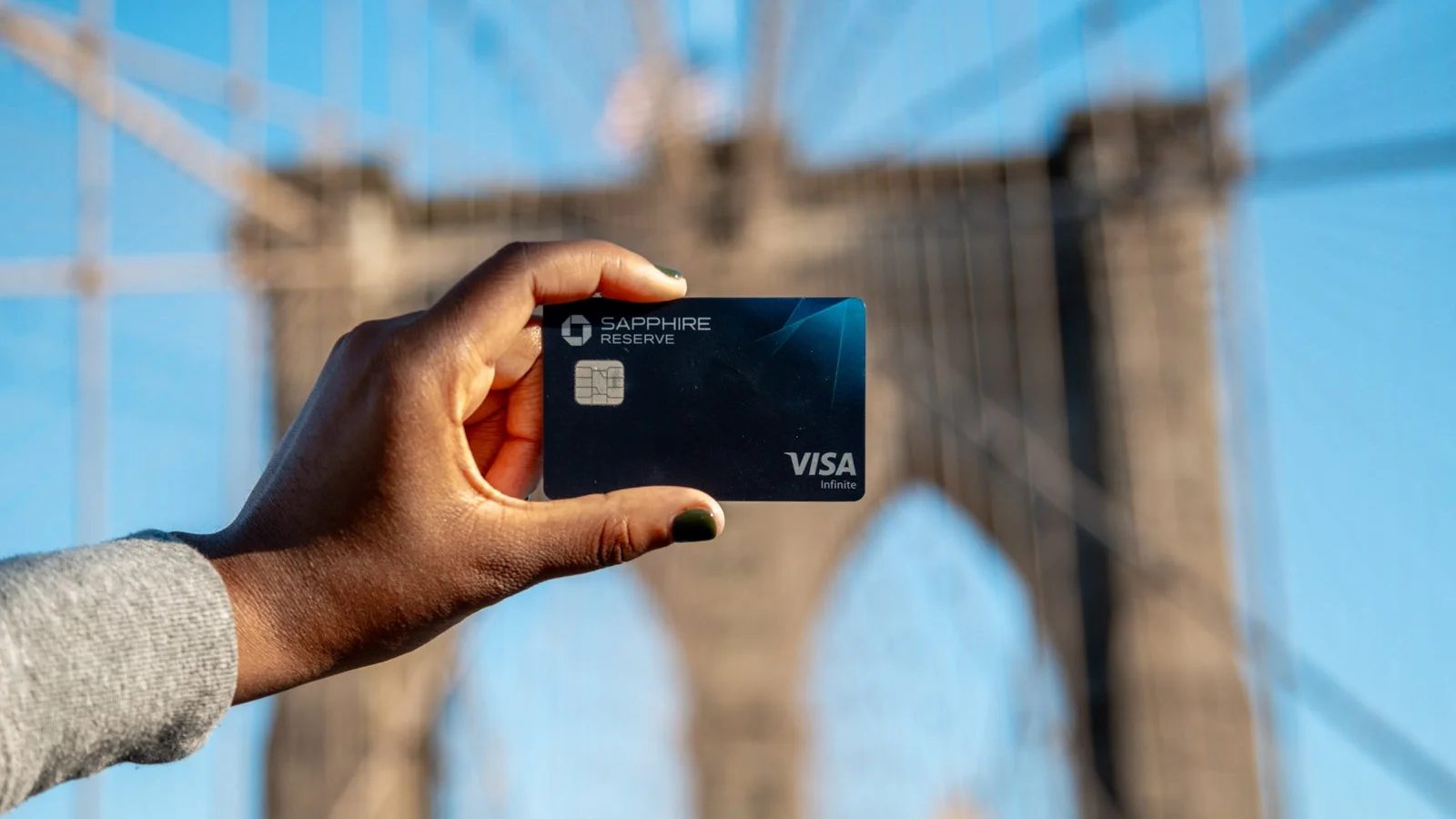
The Chase Sapphire Reserve packs more benefits into one card than most people realize. With over $2,700 in claimed annual value, understanding every benefit — and actually using them — is the difference between paying $795 for a fancy piece of metal and getting thousands in return.
After years of maximizing this card, I’m breaking down every single benefit: how each one works, what it’s actually worth, and how to squeeze every dollar of value from your annual fee.
The Quick Math: Is $795 Worth It?
Let’s kill the suspense. Here’s the benefit stack at a glance:
| Benefit | Annual Value |
|---|---|
| Travel Credit | $300 |
| The Edit Hotel Credit | $500 |
| Exclusive Tables Dining Credit | $300 |
| Apple TV+ & Apple Music | $250 |
| Priority Pass Membership | $429 |
| Global Entry/TSA PreCheck | $30/year |
| Primary Rental Car Insurance | $400+ |
| Travel Insurance Package | $500+ |
| Total Value | $2,700+ |
| Annual Fee | $795 |
| Net Benefit | $1,905+ |
Even if you use just half these benefits, you’re coming out ahead. Now let’s break down each one.
Statement Credits: $1,100+ Easy Value
$300 Annual Travel Credit
How it works: Any travel purchase automatically triggers the credit. Flights, hotels, car rentals, Uber, Lyft, parking, tolls, transit passes — it all counts. No enrollment, no merchant restrictions, no mental gymnastics.
Why it matters: Unlike the Amex Platinum’s $200 airline credit (locked to one airline for baggage fees and incidentals), the CSR travel credit is flexible and easy. Book a flight? Credit. Take an Uber? Credit. Pay for airport parking? Credit.
Pro tip: The credit resets on your cardmember anniversary, not January 1. If your anniversary is in June, you could use the credit in May 2026 and again in July 2026 — effectively $600 in value within a few months.
$500 The Edit Hotel Credit
How it works: Get up to $250 in statement credits every six months (twice per year = $500 total) when you book hotels through The Edit, Chase’s curated boutique hotel collection. Minimum two-night stay required.
What’s The Edit? Think small luxury hotels, boutique properties, and unique stays. It’s Chase’s answer to Amex Fine Hotels + Resorts. Properties include spots like The Ned in London, Auberge Resorts, and unique local gems.
Reality check: This credit requires booking through Chase Travel and staying at specific hotels. It’s not as flexible as the travel credit, but if you’re planning a nice weekend getaway or special occasion trip, $250 off is substantial.
$300 Exclusive Tables Dining Credit
How it works: Up to $150 in statement credits every six months ($300/year) when dining at restaurants participating in Chase Sapphire Reserve Exclusive Tables through OpenTable.
What restaurants qualify? High-end dining spots in major cities — think Michelin-starred restaurants and top-tier establishments. You book through a special Sapphire Reserve OpenTable portal and get the statement credit automatically.
Best for: Special occasion dinners, business meals, or anyone who enjoys fine dining. A $150 credit essentially means a free dinner for two at a nice restaurant twice a year.
$120 Global Entry/TSA PreCheck Credit
How it works: Every 4 years, you get up to $120 reimbursed toward:
- Global Entry ($120) — Includes TSA PreCheck
- NEXUS ($50) — US/Canada trusted traveler
- TSA PreCheck ($78) — Domestic expedited security
Strategy: Always apply for Global Entry since it includes TSA PreCheck at the same cost. The credit is automatic when you pay the application fee with your CSR.

Lounge Access: Priority Pass + Chase Sapphire Lounges
This is where the CSR punches above its weight class.
Priority Pass Select Membership
What you get:
- Access to 1,300+ airport lounges worldwide
- 2 guests enter free per visit
- Additional guests: $27 each
Annual value: A standalone Priority Pass membership costs $429/year and doesn’t include free guests. You get it complimentary.
What’s inside most lounges:
- Free food and drinks (including alcohol)
- WiFi and work spaces
- Showers at select locations
- Quiet seating away from gate chaos
Pro tip: Download the Priority Pass app to find lounges at your airport. Some Priority Pass lounges offer restaurant credits instead of traditional lounge access (though availability has tightened recently).
Chase Sapphire Lounges by The Club
Chase has opened its own branded lounges:
- Dallas Fort Worth (DFW) — Terminal D
- Los Angeles (LAX) — Tom Bradley International Terminal
These are premium spaces designed specifically for Sapphire Reserve cardholders. Expect elevated food, craft cocktails, and a quieter atmosphere than overcrowded Priority Pass options.
Reservations: Unlike walk-in Priority Pass lounges, Chase Sapphire Lounges allow advance reservations — worth doing to guarantee access during peak travel times.
Earning Rates: Industry-Leading Points
The 2026 CSR earn structure is legitimately impressive (see our complete Chase Ultimate Rewards guide for more on maximizing these points):
| Category | Points per Dollar |
|---|---|
| Chase Travel (including The Edit) | 8x |
| Flights & Hotels booked direct | 4x |
| Dining worldwide | 3x |
| Everything else | 1x |
The 8x on Chase Travel
This is the highest earn rate in the Chase ecosystem. Booking a $500 hotel through Chase Travel? That’s 4,000 points — worth $60+ when transferred to partners.
When to use it: Honestly, the 8x rate makes Chase Travel worth considering even when direct booking might save a few dollars. Run the math: 8x points on a $200 hotel = 1,600 points = ~$24-32 in value.
4x on Direct Bookings
New for 2026, you now earn 4x on flights and hotels booked directly with airlines and hotels. This is huge — previously you only got 3x on travel through Chase.
Strategy: For simple trips, book direct for 4x. For complex itineraries where the Chase portal offers good rates, use it for 8x.
3x Dining — Still Elite
3x on dining matches the Amex Gold (which is known as the dining card). With no category caps and worldwide acceptance, the CSR remains one of the best dining cards available.
Travel Insurance: Hidden Thousands in Value
This is where the CSR becomes essential travel gear. Most cardholders never use these benefits — until they need them. When they do, the coverage pays for years of annual fees. For a full comparison of card insurance, see our best credit cards for travel insurance guide.
Primary Rental Car Insurance ($75,000)
What it covers: Collision damage and theft on most rental cars in the US and abroad.
Why “primary” matters: You don’t have to file through your personal auto insurance first. Most cards offer “secondary” coverage, meaning your personal policy pays out first (potentially raising your premiums). CSR coverage is primary — it kicks in immediately.
How to use it: Decline the rental counter’s Collision Damage Waiver (CDW). That alone saves $20-30 per day on rentals. Over a week-long trip, you’re saving $150+.
Exclusions: Doesn’t cover exotic cars, trucks over certain weight limits, or long-term rentals over 31 days.

Trip Cancellation & Interruption Insurance
| Coverage | Limit |
|---|---|
| Per covered traveler | $10,000 |
| Per trip | $20,000 |
What’s covered: Pre-paid, non-refundable travel expenses if your trip is canceled or cut short due to:
- Sickness or injury
- Severe weather
- Jury duty
- Other covered reasons
Real-world example: You book a $3,000 trip to Europe. Three days before departure, you get COVID and can’t fly. If you booked with your CSR, you can file a claim for reimbursement of non-refundable costs.
Trip Delay Reimbursement
Coverage: Up to $500 per covered traveler after a 6-hour delay or overnight stay requirement.
What’s covered: Meals, lodging, and essential purchases when your flight is significantly delayed.
Pro tip: Save all receipts. Get written documentation of the delay from the airline. File the claim through Chase’s benefits portal within 60 days.
Lost & Delayed Baggage
| Situation | Coverage |
|---|---|
| Lost or damaged luggage | Up to $3,000 per traveler |
| Baggage delay (6+ hours) | $100/day for 5 days |
If your checked bag disappears, you’re covered for replacement value up to $3,000. If it’s just delayed, you can buy essentials (toiletries, clothes) and get reimbursed.
Emergency Medical Coverage
| Coverage | Limit |
|---|---|
| Emergency medical/dental | $2,500 (with $50 deductible) |
| Emergency evacuation | $100,000 |
When you’re 100+ miles from home and need medical care, the CSR covers emergency expenses. For serious situations requiring evacuation back to the US, you’re covered up to $100,000.
Important: This isn’t a replacement for travel medical insurance on international trips, but it’s a valuable backup layer.
Roadside Assistance
Coverage: Up to $50 per incident, 4 times per year
Includes towing, battery jump, tire change, locksmith, and fuel delivery. Not the most generous coverage, but it’s there when you need it.
Apple Subscriptions: $250 Annual Value
Through June 22, 2027, CSR cardholders get complimentary:
- Apple TV+ — Apple’s streaming service
- Apple Music — Full music streaming access
Combined annual value: approximately $250.
How to activate: Link your CSR through Chase’s benefits portal. If you’re already paying for these services, that’s immediate savings.
Visa Infinite Perks
As a Visa Infinite card, the CSR includes benefits beyond Chase’s own offerings:
Luxury Hotel Collection
Access to Visa’s hotel portfolio with perks like:
- Room upgrades when available
- Complimentary breakfast
- Late checkout
- Property credits
Rental Car Status
Automatic elite status with:
- Hertz Gold Plus Rewards
- National Emerald Club
- Avis Preferred
This means skip the counter, choose your own car, and faster service at rental locations.
Point Value & Redemption
Chase Ultimate Rewards points from the CSR are worth different amounts depending on how you redeem:
| Redemption Method | Value per Point |
|---|---|
| Chase Travel portal | 1.5¢ |
| Transfer to partners | 1.5¢ - 3¢+ |
| Pay Yourself Back | 1.25¢ |
| Cash back | 1¢ |
Best Redemption: Transfer Partners
The real power of Ultimate Rewards is transferring to airline and hotel partners. Key partners include:
Airlines:
- United MileagePlus (1:1)
- British Airways Avios (1:1)
- Virgin Atlantic (1:1)
- Air France/KLM Flying Blue (1:1)
- Singapore Airlines KrisFlyer (1:1)
Hotels:
- World of Hyatt (1:1) — Often the best value
- Marriott Bonvoy (1:1)
- IHG One Rewards (1:1)
Example: Transfer 25,000 UR to Hyatt and book a Category 4 hotel worth $400+. That’s 1.6¢+ per point — far better than 1¢ cash back.
Who Should Get the Chase Sapphire Reserve?
Get it if you:
- Travel 2+ times per year (domestic or international)
- Dine out regularly and will use Exclusive Tables
- Value airport lounge access
- Rent cars and want to decline expensive insurance
- Can maximize at least $1,000 in credits
Skip it if you:
- Rarely travel (the Sapphire Preferred is better at $95/year)
- Don’t dine at high-end restaurants
- Prefer simple cash-back cards
Maximizing Every Dollar: Your Action Plan
- Use the $300 travel credit early — Any Uber ride, flight, or hotel counts
- Book a boutique hotel stay — Get your $250 Edit credit each half-year
- Reserve Exclusive Tables dinners — $150 off twice yearly
- Activate Apple subscriptions — Free streaming worth $250/year
- Apply for Global Entry — $120 credit, good for 4 years
- Download Priority Pass app — Know your lounge options before flying
- Decline rental car insurance — You’re covered up to $75K
- Transfer points to Hyatt — Best value for hotel redemptions
Related Reading
- How to Transfer Chase Points: Step-by-Step Guide
- Chase Sapphire Preferred vs Reserve: Which Is Right for You?
- Best Way to Use Chase Points in 2026
- World of Hyatt Points Guide: Your Secret Weapon
- Credit Card Lounge Access: Complete Guide
The Chase Sapphire Reserve is a premium card that delivers premium value — if you use it. At $795 per year, it’s not for everyone. But for travelers who maximize the credits, leverage the insurance, and transfer points strategically, it’s one of the best cards in the game.
💬 Comments
Have questions or thoughts? Join the discussion below!