
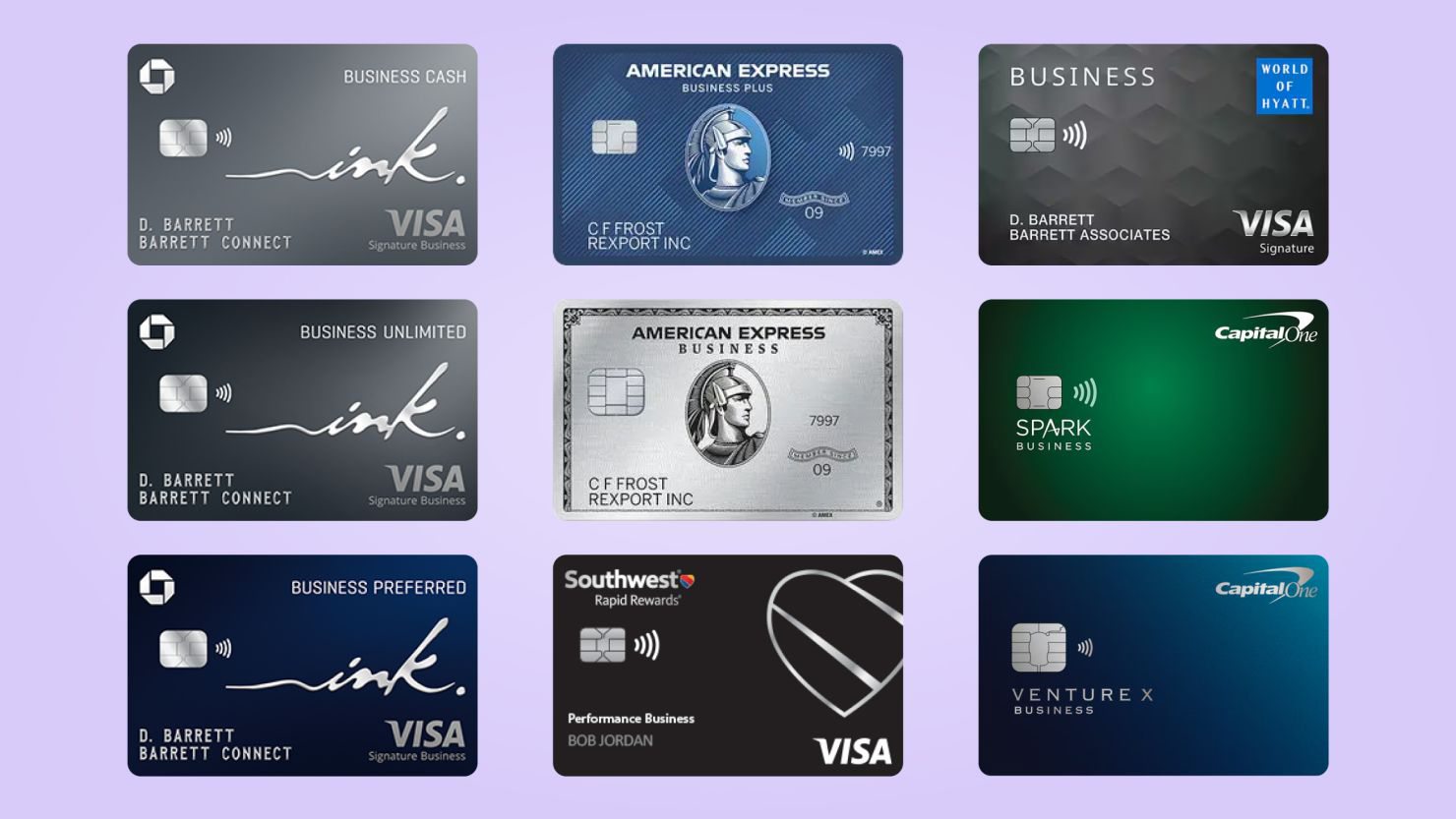
Here’s something most people don’t realize: you can earn more points from referrals than from actually using your cards.
I’m serious. Refer four friends to the Chase Sapphire Preferred, and you’ve earned 40,000 points — that’s a round-trip economy flight to Europe. Do the same with the Amex Platinum, and you’re looking at 60,000+ points.
The best part? Your friend also gets the full welcome bonus. Everyone wins.
Let me break down exactly how credit card referral programs work and which cards offer the best bonuses in 2026.
How Credit Card Referral Bonuses Work
The concept is simple:
- Generate your referral link from your credit card account
- Share it with someone who wants that card
- They apply through your link and get approved
- Both of you earn bonuses — you get referral points, they get the welcome bonus
The referred person doesn’t get penalized or receive a smaller bonus. They get the exact same offer as applying directly (sometimes better — more on that later). The credit card company just rewards you for bringing them a new customer.
Why Banks Offer Referral Bonuses
Credit card companies spend enormous amounts on marketing. Customer acquisition costs run $200-400 per new account for premium travel cards. When you refer a friend, you’re doing that marketing for free.
So they share the savings with you. It’s genuinely win-win-win:
- You get bonus points
- Your friend gets their welcome bonus
- The bank acquires a customer cheaper than advertising
Best Credit Card Referral Bonuses by Issuer
Chase Referral Bonuses
Chase has one of the most generous referral programs, especially for their Sapphire cards.
| Card | Referral Bonus | Annual Limit |
|---|---|---|
| Sapphire Preferred | 10,000 points | 100,000/year |
| Sapphire Reserve | 10,000 points | 100,000/year |
| Freedom Unlimited | 10,000 points | 100,000/year |
| Freedom Flex | 10,000 points | 100,000/year |
| Ink Business Preferred | 20,000 points | 100,000/year |
| Ink Business Cash | 20,000 points | 100,000/year |
| Ink Business Unlimited | 20,000 points | 100,000/year |
Key details:
- Most cards earn 10,000 Ultimate Rewards points per referral
- Ink Business cards earn 20,000 points per referral
- Maximum 100,000 points per year across all Chase cards combined
- Points post within 6-8 weeks of approval
The 100K annual cap sounds limiting, but that’s still $1,500-2,000 in travel value just from referrals. And if you have a spouse or partner with their own Chase accounts, you can effectively double this.
Pro tip: Business card referrals earn double (20K vs 10K), so prioritize referring people to Ink cards when it makes sense for them.
Amex Referral Bonuses
American Express offers the highest per-referral bonuses, but with tighter limits per card.
| Card | Referral Bonus | Annual Limit |
|---|---|---|
| Platinum | 15,000-30,000 MR | 55,000/year |
| Gold | 10,000-15,000 MR | 55,000/year |
| Business Platinum | 15,000-25,000 MR | 55,000/year |
| Business Gold | 10,000-20,000 MR | 55,000/year |
| Blue Business Plus | 10,000-15,000 MR | 55,000/year |
| Hilton Aspire | 25,000 Hilton pts | 75,000/year |
| Delta Reserve | 15,000 SkyMiles | 50,000/year |
Key details:
- Referral amounts vary by offer — check your account for current rates
- Limits are per card, not combined like Chase
- 55,000 MR cap means you can refer 2-4 people per card annually
- Some referral offers are higher than public offers — your friend might get more points through your link
Important: Amex tracks referrals aggressively. Spamming links online can get your referral privileges revoked. Keep it personal.
Capital One Referral Bonuses
Capital One’s program is straightforward cash:
| Card | Referral Bonus | Annual Limit |
|---|---|---|
| Venture X | $100 | None |
| Venture | $100 | None |
| Quicksilver | $50 | None |
| SavorOne | $50 | None |
| Spark Business cards | $100-125 | None |
Key details:
- Bonuses are cash, not miles (deposited as statement credit)
- No annual limit — refer as many as you can
- Lower per-referral value but unlimited earning potential
- Great for people with large networks
The no-cap feature is huge. If you run a blog or have a big social following, Capital One lets you earn indefinitely.
Other Issuer Programs
Citi:
- Most cards offer 10,000-15,000 ThankYou points per referral
- Annual limits vary by card (typically 50,000-75,000)
- Citi Premier and Custom Cash are the most popular for referrals
Discover:
- $50 cash per approved referral (no limit)
- One of the few cards available to people with limited credit history
- Easy to refer friends who are just starting out
Bank of America:
- Limited referral program — only available on some cards
- Typically $50-100 per referral when available
- Check your specific card’s account page
U.S. Bank:
- Minimal or no referral bonuses on most cards
- Altitude Reserve occasionally offers referrals
How Much Can You Actually Earn?
Let me do the math on a realistic scenario.
Conservative Estimate (3-4 Referrals/Year)
| Card | Referrals | Points/Cash |
|---|---|---|
| Chase Sapphire Preferred | 2 | 20,000 UR |
| Amex Gold | 2 | 20,000-30,000 MR |
| Capital One Venture X | 2 | $200 |
| Total | 6 | 40,000+ points + $200 |
Value: ~$800-1,000 in travel
Aggressive Estimate (10+ Referrals/Year)
| Card | Referrals | Points/Cash |
|---|---|---|
| Chase cards | 10 | 100,000 UR |
| Amex Platinum | 4 | 60,000 MR |
| Amex Gold | 4 | 40,000 MR |
| Capital One | 5 | $500 |
| Total | 23 | 200,000+ points + $500 |
Value: $3,000-4,000 in travel
That second scenario isn’t fantasy — it’s what happens when you’re the “credit card person” in your friend group. People ask you for recommendations, and you have links ready.
Where to Find Your Referral Links
Each issuer has a different process:
Chase
- Log into chase.com
- Click “Refer friends, earn rewards” in your card menu
- Or go directly to: chase.com/referafriend
- Generate your unique link
American Express
- Log into americanexpress.com
- Navigate to your card
- Click “Refer Friends” in the card menu
- Choose share method (link, email, or social)
Capital One
- Log into capitalone.com
- Click “Refer Friends” under your card
- Generate and copy your link
General Tips
- Links expire — regenerate if it’s been a few months
- Some links are card-specific, others work for any card you hold
- Save your links somewhere accessible (notes app, spreadsheet)
Tips for Getting More Referrals
1. Actually Help People
Don’t just blast your link everywhere. When friends ask about credit cards:
- Listen to their needs — Do they travel? Eat out? Carry a balance?
- Recommend the right card, even if it’s not one you have
- Explain the value — Help them understand welcome bonuses and how to use points
People refer you when you help them, not when you sell them.
2. Be the Credit Card Expert
When someone at dinner asks “what credit card should I get?”, have answers ready. Know the current welcome bonuses. Know the annual fees and benefits. If you’re reading this guide, you’re probably already that person.
3. Timing Matters
The best referral opportunities:
- Big purchases coming up — “You’re buying a $4,000 couch? You could earn 60,000 bonus points by opening a card first…”
- Travel planning season — January-March when people book summer trips
- After devaluations — When people hear points are getting worse, they want to earn more
4. Share Strategically Online
If you have a blog, YouTube channel, or social following:
- Create educational content about credit cards (not just “use my link!”)
- Include referral links naturally in relevant content
- Disclose that you earn a bonus (legally required and ethically right)
- Avoid spam — platforms will ban you, and issuers may revoke privileges
5. The Personal Touch
A text to a specific friend: “Hey, you mentioned wanting the Amex Gold — I can send you my referral link if you want, we’ll both get bonus points” works 10x better than posting links online.
Referral Ethics and Rules
Do:
- ✅ Share links with people who actually want the card
- ✅ Explain how the referral benefits both parties
- ✅ Recommend the best card for their situation (even if you don’t have it)
- ✅ Disclose that you earn a bonus when relevant
- ✅ Help them maximize their welcome bonus
Don’t:
- ❌ Spam links on Reddit, forums, or social media
- ❌ Create fake accounts to refer yourself
- ❌ Pressure people into cards they don’t need
- ❌ Hide that you benefit from the referral
- ❌ Violate card terms of service
Consequences of abuse:
- Banks can revoke your referral privileges permanently
- They can claw back bonuses already earned
- In extreme cases, they can close all your accounts
Amex in particular has shut down accounts for suspected referral abuse. It’s not worth the risk.
Referral Bonuses vs. Welcome Bonuses
A common question: should your friend use your referral link or apply directly?
Almost always use the referral link because:
- Your friend gets the same or better welcome offer
- You earn extra bonus points
- No downside to either party
Exception: Sometimes direct offers are higher than referral offers. Check:
- CardMatch pre-qualified offers
- Targeted mailers
- In-branch offers
If a direct offer is significantly better, be honest and tell your friend. They’ll trust your recommendations more, leading to more referrals long-term.
Stacking Referrals With Other Strategies
Referral bonuses combine beautifully with other points strategies:
Player 2 Strategy
If you have a spouse or partner:
- Both generate referral links for the same cards
- Refer each other for new cards (yes, this is allowed)
- Double your referral capacity since limits are per account
Example: You refer your partner to the Sapphire Preferred (10K for you), then they refer you to the Freedom Flex (10K for them). Both of you earned welcome bonuses PLUS referral bonuses.
This is just one piece of the larger two-player mode strategy — couples can earn double the welcome bonuses, referral bonuses, and annual credit card perks by coordinating their applications.
Friends & Family Circle
Start a group chat with points-interested friends:
- Take turns opening cards and referring each other
- Everyone benefits equally over time
- Build collective knowledge about deals and strategies
Business + Personal Combo
If you have both personal and business versions of cards:
- Different referral pools
- More total earning capacity
- Refer friends to whichever version fits their situation
Tracking Your Referral Bonuses
Keep a simple spreadsheet:
| Date | Card | Person | Status | Points Earned |
|---|---|---|---|---|
| 2/15 | CSP | Sarah | Approved | 10,000 UR |
| 2/20 | Amex Gold | Mike | Pending | — |
This helps you:
- Know when you’re approaching annual limits
- Follow up on pending referrals
- Track total earnings over time
The Bottom Line
Credit card referral bonuses are genuinely free money (well, free points). You’re helping friends get cards they want anyway, and both of you benefit.
To maximize referrals:
- Know your products — Be the expert friend
- Have links ready — Save them somewhere accessible
- Stay ethical — Only recommend what’s genuinely helpful
- Be patient — Referrals happen organically over time
With a reasonable network and some knowledge, 50,000-100,000 bonus points per year from referrals is very achievable. That’s potentially a round-trip international business class flight — just for sharing links with friends.
Related reading:
💬 Comments
Have questions or thoughts? Join the discussion below!