
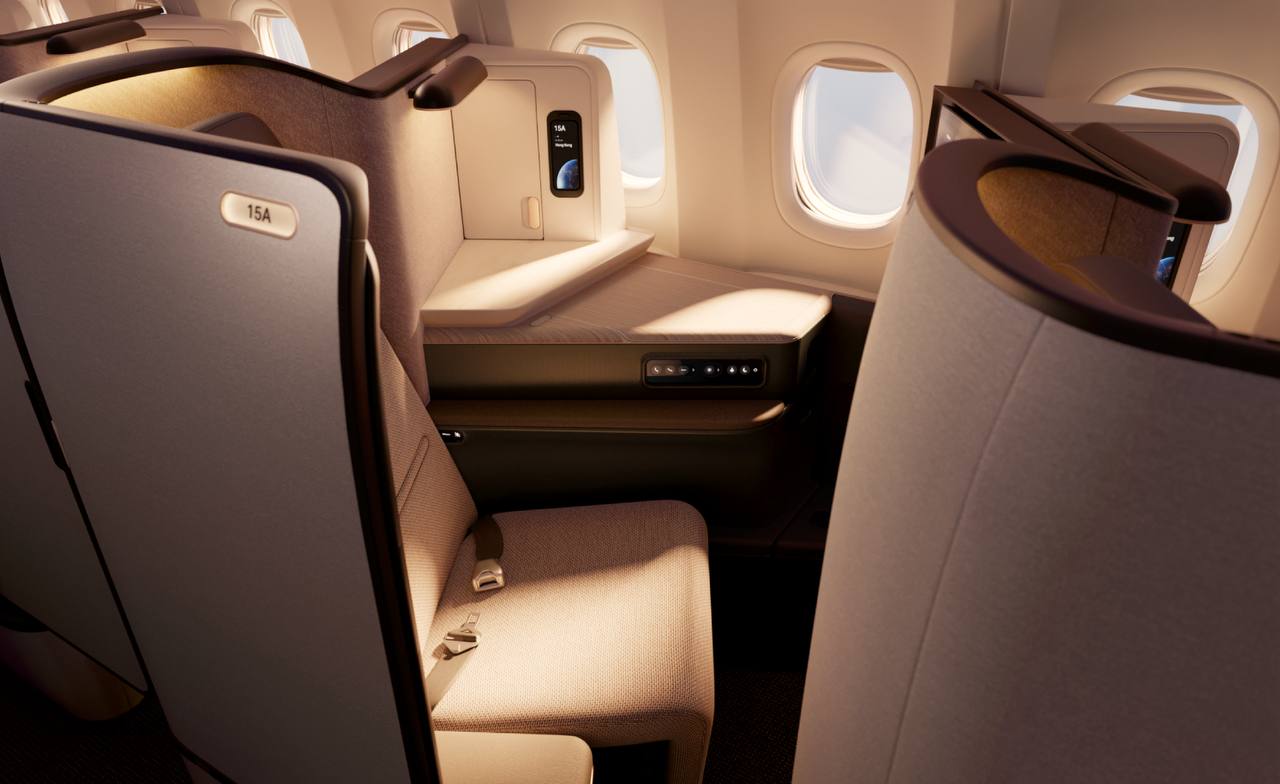
Booking award flights can feel overwhelming when you’re just starting out. Transfer partners, award charts, fuel surcharges — there’s a lot of jargon to decode.
But here’s the thing: once you understand the basic process, it becomes second nature. I’ve booked hundreds of award flights over the years, and I’m going to walk you through exactly how I do it.
By the end of this guide, you’ll know how to turn those credit card points sitting in your account into actual plane tickets — without paying thousands in cash.
Key Takeaways
- Start with where you want to go, not which airline you want to fly
- Award availability is the real constraint — not just having enough points
- Transferring points is usually better than booking directly through your credit card portal
- Book as early as possible for the best premium cabin availability
- Use tools like Seats.aero and AwardHacker to find the best deals
Step 1: Know What Points You Have
Before you can book anything, you need to know what you’re working with. Log into your credit card accounts and note your balances:
Transferable Points (most valuable):
- Chase Ultimate Rewards
- Amex Membership Rewards
- Capital One Miles
- Citi ThankYou Points
- Bilt Rewards
Airline Miles (airline-specific):
- United MileagePlus
- Delta SkyMiles
- American AAdvantage
- Southwest Rapid Rewards
- Any other frequent flyer programs
Why transferable points matter: They give you flexibility. Chase Ultimate Rewards can transfer to 14+ airline partners, so you’re not locked into one airline’s award pricing.
Step 2: Decide Where You Want to Go
This sounds obvious, but many beginners make the mistake of starting with “I have United miles, where can I go?” Instead, flip it around:
Start with your destination, then find the best way to get there.
For example, if you want to go to Tokyo:
- ANA (via Amex transfer) charges 75,000-95,000 miles roundtrip in business class
- United charges 70,000-88,000 miles one-way for the same cabin
- Virgin Atlantic (via Chase transfer) can book ANA for 90,000-120,000 miles roundtrip
Same destination, wildly different prices depending on which program you use.
Step 3: Research Award Availability
Here’s the part most people skip — and it’s the most important step.
Award seats are limited. Airlines only release a certain number of seats per flight that can be booked with miles. Just because you have enough points doesn’t mean seats are available.
Tools to Find Award Availability:
1. Seats.aero (Recommended) This is my go-to tool. It searches multiple airlines simultaneously and shows you exactly what’s available. The free tier is useful, but the Pro version ($10/month) is worth it if you book regularly.
2. Google Flights Start here to see what flights actually operate on your route. Then search those specific flights in the airline’s award booking tool.
3. Airline Websites Directly Once you know which flights exist, search on the airline’s website. For example:
- United.com for Star Alliance flights
- AA.com for oneworld flights
- Delta.com for SkyTeam flights
4. AwardHacker.com Enter your route and it shows you all the possible ways to book with various loyalty programs, sorted by cost. Great for finding programs you might not have considered.
Pro Tips for Finding Availability:
- Search one-way flights — more flexible than roundtrip
- Be flexible with dates — availability varies wildly day-to-day
- Check positioning flights — sometimes flying to a nearby city first opens up better options
- Look 10-11 months out — airlines release the most premium cabin seats far in advance (see our complete booking timing guide for optimal windows by airline)
Step 4: Understand Award Charts (or Dynamic Pricing)
Airline loyalty programs price awards in two ways:
Fixed Award Charts
Programs like ANA, Air Canada Aeroplan, and Virgin Atlantic have published award charts. A flight from the US to Europe always costs X miles in economy, Y miles in business.
Advantage: Predictable pricing, often better value Disadvantage: Limited availability at those prices
Dynamic Pricing
Programs like Delta SkyMiles and United MileagePlus (for many routes) price awards based on demand. The same flight might cost 30,000 miles one day and 80,000 miles the next.
Advantage: More availability (at a price) Disadvantage: Can be terrible value during peak times
My recommendation: Focus on fixed award chart programs for long-haul premium cabin flights. Use dynamic programs for domestic flights when cash prices are high.
Step 5: Transfer Your Points
Once you’ve found available award space, it’s time to transfer your credit card points to the airline program.
How to Transfer Points:
- Log into your credit card account (Chase, Amex, etc.)
- Navigate to the points/rewards section
- Select “Transfer Points”
- Choose the airline partner
- Enter the number of points to transfer
- Confirm the transfer
Transfer Times:
- Chase to United: Instant
- Chase to Hyatt: Instant
- Chase to Southwest: Instant
- Amex to most partners: Instant to a few minutes
- Capital One to most partners: 1-2 business days
⚠️ Warning: Transfers are one-way and permanent. Never transfer points until you’ve confirmed award availability exists.
Step 6: Book the Award Flight
Now you have miles in the right airline program and you’ve verified availability. Time to book.
Booking Process:
- Log into the airline’s website (make sure you’re signed into your frequent flyer account)
- Search for your flight using the award booking tool
- Select your itinerary — look for “Saver” level awards, not “Standard” or “Everyday”
- Review the total cost including any taxes and fees
- Complete the booking by entering passenger details and payment info for taxes/fees
Watch Out For:
Fuel Surcharges: Some airlines (British Airways, Lufthansa) add hundreds of dollars in “carrier-imposed surcharges” on top of the miles. Others (United, Singapore via their own website) don’t.
Close-in Booking Fees: Many programs charge extra ($50-$75) for booking within 21 days of departure.
Partner vs. Own Metal: Booking your own airline’s flights is usually easier than booking partner airlines. Partner awards might require calling.
Step 7: Confirm and Document Your Booking
After booking:
- Take a screenshot of your confirmation page
- Save the confirmation email
- Note your record locator/confirmation number
- Check that your frequent flyer number is attached to the reservation
- Select your seats if not already done
Verify the Booking Exists:
Go to the operating airline’s website (the airline actually flying the plane) and enter your confirmation number. Make sure the booking shows up correctly.
Common Mistakes to Avoid
1. Transferring Points Before Checking Availability
I’ve seen people transfer 100,000 points to an airline, only to find no award seats available on their dates. Always verify first.
2. Not Being Flexible
Award travel requires flexibility. If you absolutely must fly on July 4th weekend to Paris in business class, you’re going to have a bad time.
3. Ignoring Taxes and Fees
Some programs have astronomical fees. British Airways to Europe can charge $600+ in fees for a “free” business class ticket. Know the total cost before committing.
4. Waiting Until the Last Minute
Premium cabin award availability is released 330-355 days in advance and gets snapped up quickly. Plan ahead.
5. Not Considering Positioning Flights
If there’s no award availability from your home airport, look at nearby airports. A cheap positioning flight might unlock much better options.
Real-World Example: Booking Business Class to Tokyo
Let me walk through exactly how I’d book business class from Seattle to Tokyo:
Step 1: Check my points balances — 200,000 Chase Ultimate Rewards, 100,000 Amex MR
Step 2: Destination is Tokyo, dates are flexible in October 2026
Step 3: Search Seats.aero for SEA-TYO business class in October. I find ANA availability on October 15th.
Step 4: Research options — ANA’s own program charges 75,000-85,000 miles roundtrip, Virgin Atlantic charges 90,000-120,000 miles roundtrip.
Step 5: Since ANA availability exists and I can use Amex to transfer to ANA, I transfer 85,000 points from Amex to ANA (instant transfer).
Step 6: Log into ANA’s website, search for my specific flight, book using 85,000 miles + ~$100 in taxes.
Step 7: Screenshot confirmation, verify the booking on ANA’s website, select seats.
Result: Business class to Tokyo for 85,000 points instead of $5,000+ in cash.
Best Programs for Different Destinations
| Destination | Best Programs |
|---|---|
| Europe | Air France/KLM Flying Blue, Turkish Miles&Smiles, Aeroplan |
| Japan | ANA Mileage Club, Virgin Atlantic (for ANA), United |
| Hawaii | Southwest, Hawaiian Miles, United |
| Caribbean | JetBlue, American, Delta |
| Australia | Qantas, American (for Qantas), United |
| South America | Avianca LifeMiles, Copa, United |
When to Book Through Credit Card Portals Instead
Sometimes, transferring points isn’t the best option. Consider booking directly through your credit card portal when:
- Cash fares are cheap (under 2 cents per point)
- No award availability exists at reasonable levels
- You’re booking last-minute and need flexibility
- It’s a simple domestic flight where transfer programs aren’t worth the hassle
Chase Sapphire Reserve cardholders get 1.5 cents per point in the portal. If a $300 flight costs 20,000 points through the portal, that’s the same 1.5 cpp value — sometimes easier than dealing with transfers.
Your Action Plan
-
Today: Log into all your credit card and airline accounts. Document your balances in one place.
-
This Week: Pick a destination you want to visit. Research which airlines fly there and what programs can book those flights.
-
This Month: Set up a Seats.aero account and get familiar with how award availability works.
-
Next Trip: Use this guide to book your first award flight. Start with something simple — a domestic flight or an easy international route.
The hardest part is booking your first award flight. After that, you’ll wonder why you ever paid cash for flights.
Frequently Asked Questions
Q: Can I book award flights for other people? Yes, you can book award flights for anyone. They just need their own frequent flyer number for the operating airline to earn miles for the flight.
Q: Do award flights earn miles? Usually yes, but often at a reduced rate. Check the specific program’s rules.
Q: What happens if my award flight gets cancelled? You’ll typically get your miles redeposited. Most programs don’t charge fees for airline-initiated cancellations.
Q: How far in advance can I book award flights? Most programs open bookings 330-355 days in advance. Some, like Southwest, only open 6 months out.
Q: Are award flights refundable? Policies vary by program. Some allow free cancellation, others charge fees, and some are non-refundable. Always check before booking.
Booking award flights gets easier with practice. Start with a simple redemption and work your way up to complex multi-city itineraries. Your points are valuable — use them wisely.
Frequently Asked Questions
How far in advance should I book award flights?
Most airlines release award seats 330-355 days before departure. For premium cabins, booking as soon as seats open gives you the best availability. Economy awards are easier to find closer to departure.
Can I book award flights for someone else?
Yes! You can book award flights for anyone — you don’t have to be traveling. Just enter the passenger’s details when booking. Some programs like Southwest require the points holder to be on the itinerary.
What happens if my award flight gets canceled?
Airlines typically rebook you on the next available flight at no extra cost. If no suitable alternative exists, you’ll get your points refunded. Always book refundable awards when possible.
Are award flights refundable?
It depends on the program. Most airlines charge a fee ($50-150) to cancel, but return your points. Some premium cards like Chase Sapphire Reserve waive these fees for certain bookings.
Do I still earn miles on award flights?
Generally no — you earn elite qualifying miles/segments but not redeemable miles on award tickets. Some programs offer partial earning on paid portions like taxes and fees.
What are fuel surcharges on award flights?
Some airlines (especially British Airways and Lufthansa) add cash fees called fuel surcharges to award tickets, sometimes $500+ each way. Programs like United and Air Canada don’t pass these on to customers.
💬 Comments
Have questions or thoughts? Join the discussion below!