
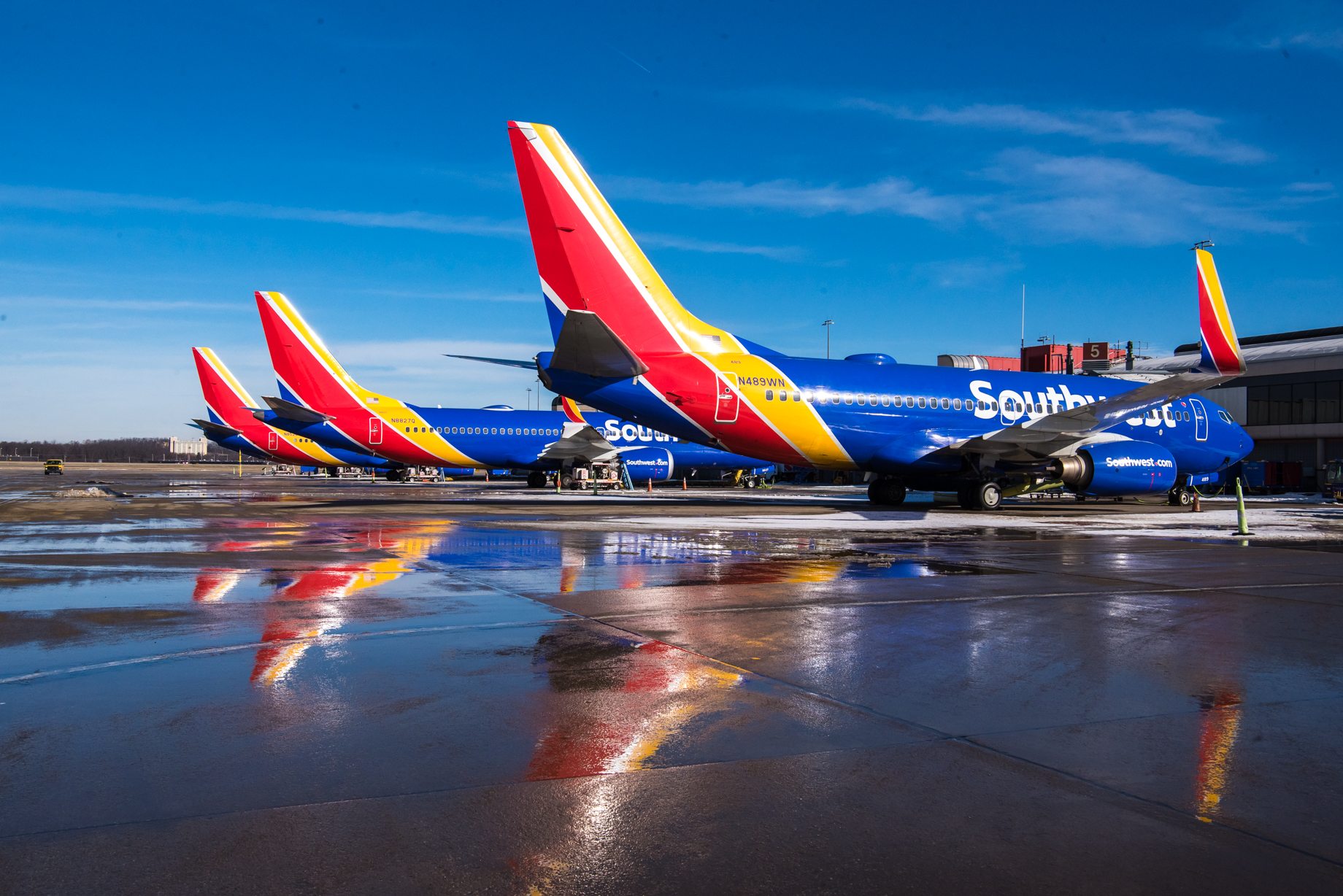
Southwest isn’t like other airlines. No first class. No assigned seats. No bag fees. And honestly? Their Rapid Rewards program is just as unconventional — in the best way.
While other loyalty programs play games with award charts and partner surcharges, Southwest keeps it dead simple: earn points, spend points, fly. No blackout dates. No capacity controls on award seats. If there’s a seat available for sale, you can book it with points.
Let me break down exactly how the program works in 2026, and more importantly, how to squeeze maximum value out of it.
How Southwest Rapid Rewards Points Work
The basics: you earn points from flying, credit cards, and shopping partners. You redeem those points for flights at a fixed rate based on the cash price of the ticket.
That’s it. No zone-based award charts. No sweet spots or hidden tricks. Just straightforward math.
The valuation formula:
Points required = (Cash price × 100) ÷ 1.4 (approximately)
So a $280 flight typically costs around 20,000 points. Sometimes a bit more, sometimes less — Southwest adjusts the redemption rate slightly depending on fare class, but it hovers around 1.3 to 1.5 cents per point.
This means Rapid Rewards points are worth roughly 1.4 cents each on average. For a deeper dive on value calculations, see our complete Southwest points valuation guide. Not amazing compared to international airline programs, but the consistency and flexibility are the real value.
Earning Rapid Rewards Points
Flying Southwest
| Fare Type | Points Earned per Dollar |
|---|---|
| Wanna Get Away | 6 points |
| Wanna Get Away Plus | 8 points |
| Anytime | 10 points |
| Business Select | 12 points |
Here’s the thing most people miss: those “Anytime” and “Business Select” fares cost 2-3x more than Wanna Get Away. You’re almost never better off buying a premium fare just for the extra points. Book the cheapest option and earn your points elsewhere.
Credit Cards (Where the Real Points Come From)
Southwest has four main credit cards through Chase:
Southwest Rapid Rewards Plus
- $69 annual fee
- 2x on Southwest + Rapid Rewards partners
- 1x everything else
- 3,000 anniversary points
Southwest Rapid Rewards Premier
- $99 annual fee
- 2x on Southwest + partners
- 2x on local transit and commuting
- 6,000 anniversary points
Southwest Rapid Rewards Priority
- $149 annual fee
- Same earning as Premier
- 7,500 anniversary points
- $75 Southwest annual travel credit
- 4 upgraded boardings per year
Southwest Rapid Rewards Performance Business
- $199 annual fee
- 3x on Southwest
- 9,000 anniversary points
- Best for Companion Pass qualification
My recommendation? The Priority card makes the most sense for most travelers. That $75 travel credit + 7,500 anniversary points basically covers the annual fee while giving you status benefits. For a full comparison, check our best airline credit cards guide.
Transfer Partners
Here’s where it gets interesting — but also limiting. Southwest isn’t a Chase Ultimate Rewards transfer partner like United or Hyatt.
You cannot transfer Chase points to Southwest.
The only transfer partners are:
- Rapid Rewards Dining (3 points per dollar)
- Rapid Rewards Shopping Portal (varies by retailer)
- Hotels.com (1 point per dollar spent)
So unlike Hyatt or United where you can stack Chase Ultimate Rewards on top of card earning, Southwest is essentially a closed ecosystem. You earn from Southwest cards and Southwest activities, period.
Companion Pass: The Holy Grail
This is Southwest’s killer feature. Earn Companion Pass and one person flies free on every flight you book for the rest of that year PLUS the entire following year.
How to qualify in 2026:
Option 1: Earn 135,000 qualifying points in a calendar year Option 2: Take 100 qualifying one-way flights
For the full breakdown, see our Southwest Companion Pass guide.
Almost everyone goes the points route. Here’s the math:
| Source | Points |
|---|---|
| Southwest Priority Card welcome bonus | 75,000 |
| Southwest Performance Biz welcome bonus | 80,000 |
| Total | 155,000 |
Yep — two sign-up bonuses can get you there. Apply for both cards in January, meet the minimum spend requirements, and you’ll have Companion Pass for nearly two full years.
Pro tip: Credit card bonuses count as “qualifying points” for Companion Pass. This is the fastest path by far. Just make sure you apply at the beginning of the year to maximize your coverage window.
The Companion Pass saves my family thousands every year. Flights to California, Phoenix, Denver, Hawaii — my wife flies free on all of them. The annual value easily exceeds $2,000-3,000 for frequent Southwest flyers.
Redeeming Rapid Rewards Points
Finding the Best Value
Since Southwest uses revenue-based pricing, there’s no “sweet spot” redemptions like you’d find with AAdvantage or United miles. The value is consistent regardless of destination or timing.
That said, some strategies help:
Book early. Wanna Get Away fares are cheapest, which means fewer points required. Prices rise closer to departure.
Check “Low Fare Calendar.” Southwest’s calendar view shows the cheapest days to fly. Lower cash fares = fewer points needed.
Stack with sales. When Southwest runs a fare sale, point prices drop proportionally. I’ve seen $99 roundtrips that cost only 7,000 points.
Avoid peak travel. Thanksgiving, Christmas, spring break — prices spike on every airline. Southwest is no exception. You’ll need 2-3x the normal points.
Cancellation Policy (This is Huge)
Here’s what makes Southwest genuinely unique:
Points redemptions are fully refundable. Always.
Cancel your award flight at any time — even 10 minutes before departure — and your points go right back into your account. No redeposit fees. No hoops.
Compare that to United ($125 redeposit fee) or American ($75 fee or pay extra for flexibility) and you start to see why Southwest points are so valuable despite the lower per-point valuation.
I book speculative trips all the time. Maybe I’ll go to Austin that weekend, maybe not. Book with points, decide later, cancel if plans change. Zero risk.
Tier Status: A-List and A-List Preferred
Southwest has two elite tiers:
A-List (35,000 tier-qualifying points OR 25 one-way flights)
- Priority boarding (usually A1-A15)
- Same-day standby
- 25% bonus on flight earning
- Dedicated phone line
A-List Preferred (70,000 tier-qualifying points OR 50 one-way flights)
- Everything in A-List
- 100% bonus on flight earning
- Free in-flight WiFi
Is status worth chasing? Honestly… not really, unless you fly Southwest 30+ times per year. The Priority card’s upgraded boarding benefit gets you most of the practical value (earlier boarding), and the earning bonuses don’t move the needle significantly.
If status happens naturally from your travel, great. But I wouldn’t route flights through Southwest specifically to maintain status like I might with American or United.
Southwest’s Network: Where Can You Actually Go?
This is the program’s biggest limitation. Southwest flies to:
- All major US cities
- Hawaii (all islands)
- Mexico and Caribbean beach destinations
- Limited Central America
You can’t fly to Europe, Asia, or South America. There are no international alliances. No Star Alliance, no Oneworld, no SkyTeam.
If your travel is primarily domestic and Hawaii, Southwest is fantastic. If you’re dreaming of Japan or Italy… you’ll need a different program for those aspirations. Check out our beginner’s guide to points and miles for an overview of all your options.
Who Should Focus on Southwest Rapid Rewards?
Great fit if you:
- Fly domestically 5+ times per year
- Travel with a partner (Companion Pass value)
- Like booking speculatively (free cancellations)
- Hate dealing with assigned seats and bag fees
- Don’t care about lounges or premium cabins
Not ideal if you:
- Primarily fly internationally
- Value first/business class
- Want to earn transferable points (Chase UR, Amex MR)
- Need extensive route network and alliances
Quick Tips to Maximize Rapid Rewards
-
Apply for cards in January. Companion Pass lasts through the following year, so January qualification = 23 months of benefits.
-
Use the shopping portal. Before buying anything online, check rapidrewardsshopping.southwest.com. Some retailers offer 10+ points per dollar.
-
Never buy points. Southwest occasionally sells points, but the cost (usually 2+ cents each) exceeds their redemption value. Just earn them naturally.
-
Book refundable flights for price drops. If your fare drops, cancel and rebook. The points refund instantly, and you can immediately rebook at the lower price. No need to call anyone.
-
Check partner airlines. While Southwest doesn’t have traditional alliances, they do codeshare with some carriers. Limited, but worth checking for specific routes.
-
Stack anniversary points. Each Southwest card gives annual bonus points. Having multiple cards means 15,000+ free points every year just for keeping them open.
The Bottom Line
Southwest Rapid Rewards isn’t the sexiest points program. You won’t book Singapore Suites or Emirates First Class with these points. But for domestic travel — especially with a family — it’s arguably the most practical loyalty program that exists.
Consistent value. Total flexibility. No blackouts. Free bags. And that Companion Pass can literally cut your family’s travel costs in half.
If your travel patterns match Southwest’s network, this should be a core part of your points strategy. It’s not about maximizing cents-per-point on aspirational redemptions. It’s about reliable, flexible, no-stress travel.
And sometimes that’s exactly what you need.
💬 Comments
Have questions or thoughts? Join the discussion below!