
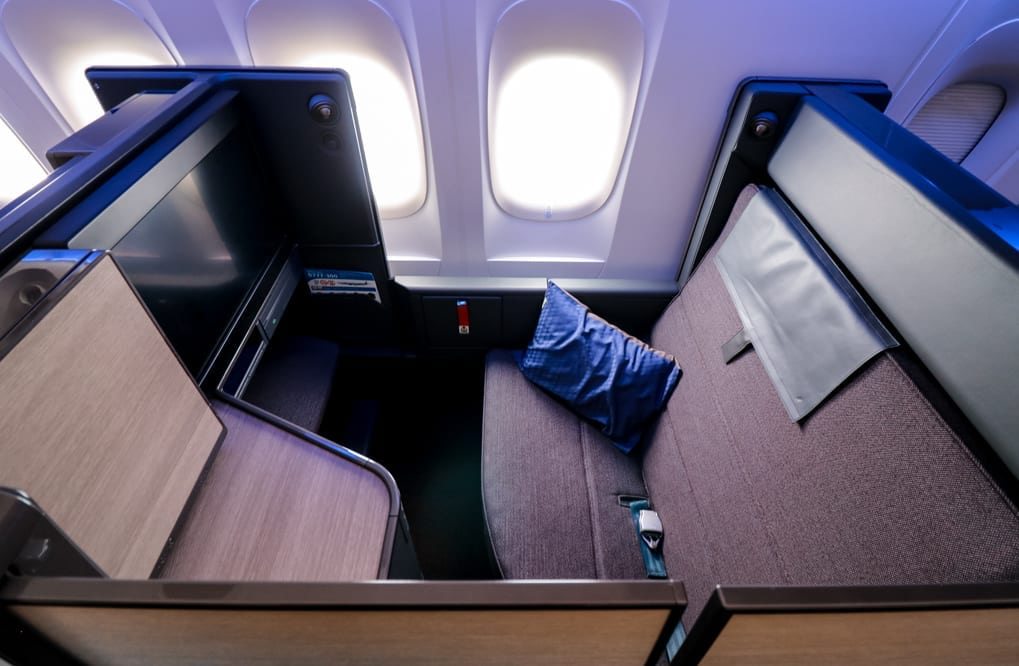
Delta SkyMiles is the frequent flyer program for Delta Air Lines — one of the largest carriers in the world. Whether you’re a casual traveler who flies Delta a few times a year or a road warrior chasing elite status, understanding how SkyMiles work can save you thousands.
Fair warning: Delta operates differently than other US airlines. No published award charts. Dynamic pricing that fluctuates wildly. A complicated elite status structure. But once you understand the system, there’s genuine value here.
This guide covers everything: how to earn miles, what they’re worth, the credit card ecosystem, elite status tiers, and where to find the best redemptions. Let’s get into it.
How Delta SkyMiles Works
At its core, SkyMiles is simple: earn miles through flights, credit cards, and partners. Redeem those miles for flights, upgrades, or (please don’t) gift cards.
What makes Delta different:
- No award chart. Delta uses “dynamic pricing” — award costs fluctuate based on demand, cash fares, and seemingly random factors
- Miles don’t expire. As long as your account exists, your miles stick around
- Revenue-based earning. Flying earns you a percentage of what you paid, not distance flown
- MQMs vs SkyMiles. Two separate currencies — SkyMiles are for redemptions, Medallion Qualifying Miles (MQMs) are for elite status
If you’re brand new to points and miles, our beginner’s guide covers the fundamentals.
Earning Delta SkyMiles
Earning From Flights
When you fly Delta, you earn SkyMiles based on ticket price — not distance. The rate depends on your elite status:
| Medallion Status | Miles Earned Per $1 |
|---|---|
| General Member | 5 miles |
| Silver Medallion | 7 miles (40% bonus) |
| Gold Medallion | 8 miles (60% bonus) |
| Platinum Medallion | 9 miles (80% bonus) |
| Diamond Medallion | 11 miles (120% bonus) |
Example: A $400 domestic round trip earns you 2,000 base miles (5 × $400). A Diamond Medallion member earns 4,400 miles on that same ticket.
You also earn miles flying SkyTeam partner airlines (Air France, KLM, Korean Air, etc.), though rates vary by partner and fare class. For more on how Delta fits into the global airline ecosystem, see our airline alliances guide.
Credit Card Earning
This is where most people actually accumulate SkyMiles. Delta has a partnership with American Express for four personal and four business cards.
The Core Personal Cards:
| Card | Annual Fee | Sign-Up Bonus | Earning Rates |
|---|---|---|---|
| Delta Blue | $0 | 10,000 miles | 2x Delta, 1x everything else |
| Delta Gold | $150 | 70,000 miles | 2x Delta/restaurants, 1x else |
| Delta Platinum | $350 | 90,000 miles | 3x Delta, 2x restaurants, 1x else |
| Delta Reserve | $650 | 100,000 miles | 3x Delta, 1x else + lounge access |
The business versions have similar structures with slightly different perks. The Delta Reserve Business offers the same lounge access as the personal card.
My take? The Delta Gold is the sweet spot for most travelers — $150 annual fee is offset by the first checked bag benefit alone if you fly Delta 2+ times per year. The Platinum makes sense if you’re chasing Medallion status. Reserve is only worth it if you value Sky Club access (which, honestly, can be).
For a deep dive on these cards, check out our best airline credit cards guide.
Transfer Partners
Here’s where it gets interesting. You can transfer points from American Express Membership Rewards directly to Delta at a 1:1 ratio. No Chase or Capital One here — it’s exclusively an Amex partnership.
This matters because Amex cards like the Gold, Platinum, and Business Gold earn points at ridiculous rates on categories Delta cards don’t cover:
- Amex Gold: 4x restaurants, 4x groceries (up to $25K)
- Amex Platinum: 5x flights booked direct
- Amex Business Gold: 4x on top 2 categories each month
Transferring to Delta isn’t always the best use of Amex points (honestly, there are better partners), but it gives you flexibility. See our Amex points guide for details.
Shopping Portals & Partners
Delta’s shopping portal, SkyMiles Shopping, offers bonus miles at hundreds of retailers. Typical rates: 2-10 miles per dollar. Nothing groundbreaking, but it adds up.
Other earning partners:
- Lyft: 1 mile per dollar (2 miles for Medallions)
- Starbucks: 1 mile per $1 linked with SkyMiles
- Airbnb: 1 mile per dollar
- Ticketmaster: 1 mile per dollar
Stack these with credit card earning for double-dipping. Order a Lyft with your Delta Gold card? You’re earning 2 miles from Lyft + 1 mile from the card.
Delta Medallion Status Explained
Elite status in the SkyMiles program comes in four tiers. Unlike earning miles (which is revenue-based), qualifying for status requires both Medallion Qualifying Miles (MQMs) and Medallion Qualifying Dollars (MQDs).
Status Tiers & Requirements
| Status | MQMs Required | MQD Required | MQD Card Waiver |
|---|---|---|---|
| Silver | 25,000 | $3,000 | Spend $25K on Delta Amex |
| Gold | 50,000 | $6,000 | Spend $25K on Delta Amex |
| Platinum | 75,000 | $9,000 | Spend $25K on Delta Amex |
| Diamond | 125,000 | $15,000 | Spend $25K on Delta Amex |
The MQD Waiver: If you spend $25,000 or more on a Delta co-branded Amex in a calendar year, the MQD requirement is waived. Only MQMs matter. This is huge for people who fly a lot but on discounted fares.
What Each Status Gets You
Silver Medallion:
- Unlimited complimentary upgrades (space-available)
- 40% bonus on base miles earned
- Priority check-in and boarding
- Waived same-day standby fees
Not life-changing, but free upgrades are free upgrades.
Gold Medallion:
- Everything Silver gets
- 60% bonus on base miles
- Priority security where available
- Upgrades clear before Silver
Gold is where the upgrade game gets real. You’ll actually clear into Comfort+ pretty regularly, and occasionally into First on domestic flights.
Platinum Medallion:
- Everything Gold gets
- 80% bonus on base miles
- Choice Benefits (pick one): 4 Regional Upgrade Certificates OR 20,000 bonus miles OR $200 travel credit
- Global Upgrade Certificates (requires Delta Reserve card)
- Dedicated phone line
Platinum is where things click. Those Regional Upgrade Certificates actually work — you can confirm upgrades at booking rather than waiting for space to clear.
Diamond Medallion:
- Everything Platinum gets
- 120% bonus on base miles (that’s more than double)
- Choice Benefits: pick THREE perks instead of one
- Clear+ membership included
- Delta Sky Club access when flying Delta (one-time per day)
- Priority boarding after business class
Diamond is the top of the pyramid. The Sky Club access alone makes it valuable if you’re flying enough to earn it.
The MQM Rollovers
Delta allows you to roll over excess MQMs to the next year. If you earn 60,000 MQMs but only needed 50,000 for Gold, you start next year with 10,000 MQMs already banked.
There’s a catch: you can only roll over MQMs that exceed your achieved status threshold. Diamonds can’t roll anything over.
Where to Actually Redeem SkyMiles
This is where Delta gets messy. Without award charts, prices jump around constantly. But patterns exist. For a deep dive into specific sweet spots and a redemption decision framework, see our Delta SkyMiles Sweet Spots Guide.
The Good: Partner Business Class
Delta’s best SkyMiles value often comes from partner airline redemptions, not Delta-operated flights. You’re using SkyMiles to fly other SkyTeam carriers in premium cabins.
Best targets:
- Air France/KLM business class: Often prices better than Delta One
- Korean Air First Class: Occasionally shows up at reasonable rates (180K+ round trip)
- Virgin Atlantic Upper Class: Another sweet spot when availability opens
The trick is flexible dates. Partner availability is limited, and Delta’s website doesn’t always show everything. Use seats.aero or check partner websites directly.
The Good: Delta One Sales
Delta randomly drops SkyMiles flash sales — usually announced via email and buried in the fine print. These can be exceptional.
Past examples:
- Delta One to Europe for 85,000 miles one-way
- First class to Hawaii for 25,000 miles
- Domestic round trips for 10,000 miles
No reliable way to predict them. Follow @DeltaPoints on Twitter and check the SkyMiles landing page weekly.
The Mediocre: Domestic Economy
Domestic economy awards typically price between 10,000-50,000 miles each way. Value ranges from 0.8 to 1.5 cents per mile — acceptable but not exciting.
Compare against cash fares. If a flight costs $150 or 15,000 miles, you’re getting 1 cent per mile. That’s below our 1.2 cent baseline. Either pay cash or find a better use for those miles.
The Bad: Pay With Miles
Delta lets you use miles as currency at delta.com: “Pay With Miles.” Don’t.
The redemption rate is pegged at 1 cent per mile for everyone except Diamond Medallions (who get 1.2 cents). That’s a guaranteed subpar value. The option exists to trick people into wasting miles. Ignore it.
The Terrible: Gift Cards and Merchandise
SkyMiles can buy gift cards and merchandise through the SkyMiles Marketplace. Values drop to 0.5-0.8 cents per mile. Never do this unless you’re closing your account and have no other use.
For a full breakdown of what Delta miles are worth, check our SkyMiles valuation guide.
Delta Sky Club Lounges
Delta operates over 50 Sky Club lounges across the US. For the full breakdown of all access methods, policies, and locations, see our complete Delta Sky Club Access Guide. Here’s the quick overview:
- Delta One passengers: Free access when flying internationally
- Diamond Medallions: Free access when flying Delta same day
- Delta Reserve cardholders: Unlimited access + 2 guests ($50 each for additional)
- Day passes: $59 when purchased online in advance, $79 at door
The lounges themselves? Solid but not spectacular. Expect complimentary food (think premium snacks and light meals, not restaurant-quality), open bar, WiFi, and showers at larger locations. Better than most domestic lounges, worse than international business class lounges.
Sky Club value proposition depends on your airport. ATL has massive, well-appointed clubs. Smaller airports have cramped satellite lounges. YMMV.
SkyMiles Program Changes to Know
Delta tinkers with SkyMiles constantly. Recent changes to track:
2024-2025 Devaluations:
- Introduced spending requirements for Sky Club access
- Removed some sweet spots in partner award pricing
- Made status earning slightly easier (more MQM bonuses available)
2026 Status:
- Choice Benefits now include more options at lower tiers
- MQM rollovers restructured (better for mid-tier members)
- New partnership with Starbucks Rewards for linked earning
The trend? Delta makes earning miles easier while making redemptions harder. Classic devaluation playbook.
Credit Cards: Which Delta Amex Should You Get?
Quick decision framework:
Get the Delta Blue if:
- You’re dipping your toes in
- You refuse to pay annual fees
- You barely fly Delta
Get the Delta Gold if:
- You fly Delta 2-4 times per year
- You want the free checked bag
- You eat out often (2x restaurants)
Get the Delta Platinum if:
- You’re chasing Medallion status
- The MQM boost from spending matters
- You want Companion Certificate
Get the Delta Reserve if:
- You fly enough to value Sky Club access
- You want the status boost (15,000 MQMs annually)
- You already have Platinum status or higher
The Companion Certificate on Platinum and Reserve cards lets you bring someone for just taxes/fees on a domestic round trip. That’s easily $300-500 in value annually if you use it.
SkyMiles vs. Other Programs
How does Delta stack up against United MileagePlus and American AAdvantage?
| Factor | Delta SkyMiles | United MileagePlus | American AAdvantage |
|---|---|---|---|
| Award Pricing | Dynamic (unpredictable) | Mixed (some charts remain) | Mixed (partner charts exist) |
| Domestic Network | Strongest in SE/ATL hub | Strongest in ORD/EWR | Strongest in DFW/CLT |
| Partner Access | SkyTeam | Star Alliance | oneworld |
| Elite Perks | Strong lounge focus | Upgrade-focused | Middle ground |
| Miles Expiration | Never | Never | Never (but inactivity matters) |
My honest take: Delta is the hardest program to extract consistent value from, but the highs are high. Their domestic product (especially on newer 737-900s and A321neos) beats United and American — their new A321neos with 44 first-class seats on transcontinental routes are particularly impressive. Elite perks are generous. But that dynamic pricing will frustrate you.
If you’re based near an ATL, MSP, DTW, SEA, or LAX hub, Delta probably makes sense. Otherwise, run the numbers on your specific routes.
Tips for Maximizing SkyMiles
1. Be flexible on dates. Delta’s pricing swings 200% based on demand. Midweek travel almost always prices cheaper.
2. Check partner availability. Don’t assume Delta metal is the only option. Air France business class on the same route might cost half as many miles.
3. Use Amex Membership Rewards. Don’t earn SkyMiles directly when you could earn Amex points and transfer them. More flexibility.
4. Monitor flash sales. Delta emails them. Check the SkyMiles deals page. These are when dynamic pricing works in your favor.
5. Stack status benefits. If you’re going for status anyway, put spend on the Delta Platinum Amex for the MQD waiver.
6. Don’t hoard forever. Delta doesn’t publish devaluations in advance. Use your miles before they lose value.
Bottom Line
Delta SkyMiles is a solid program wrapped in a frustrating package. The lack of award charts means you’re constantly hunting for value rather than knowing what to expect. But the partner network is strong, the credit card ecosystem is mature, and elite benefits are competitive.
If you fly Delta anyway — because of routing, hubs, or preference — lean into it. Get the Gold card, earn status if you travel enough, and learn to spot the sweet spots.
Just don’t let those miles sit unused. In the world of SkyMiles, patience rarely gets rewarded.
Got questions about Delta SkyMiles? We’re always updating this guide as the program evolves. For real-time deals, check our current transfer bonuses and award flight guides.
💬 Comments
Have questions or thoughts? Join the discussion below!